What Should an App Do When the Network Is Weak but Not Fully Offline?
We’ve all been there: staring at a mobile app that freezes or grudgingly crawls along as our Wi-Fi signal flickers, or the cellular connection dips just below usability. For many apps—whether it’s the BingoPlus App thrilling users with its interactive slots, the GamingPlus App delivering rapid multiplayer action, or Boring Magazine quietly syncing articles—this weak connection state presents a unique challenge.
This article dives deep into how modern Android apps should behave when the network is weak—not fully offline but perilously close—so they stay reliable and user-friendly. Along the way, we'll talk about design principles for lightweight architecture, resource discipline, device diversity, and transparency in permissions. We’ll also refute common pitfalls like obscuring pricing information or throwing vague error messages only developers understand.
Understanding the Weak-Connection Zone
The weak-connection state is a grey area between full connectivity and complete offline mode. It’s typically characterized by:
- Intermittent packet losses
- High latency or jitter
- Low throughput or bandwidth constraints
Wi-Fi networks in crowded places or cellular coverage in urban canyon areas often lead to these conditions. Contrary to full offline mode where no data exchange is possible, network requests might partially succeed but with delays or errors.
Producing a seamless experience in this zone means apps cannot simply rely on “all or nothing” connectivity assumptions anymore. The weak-connection explanation to users, retry logic with intelligent backoff, and session preservation form the backbone of robust behavior.
Lesson 1: Reliability Goes Beyond Just Uptime
Uptime metrics like 99.9% availability used to be gold standards. However, real users care about perceived reliability—the app’s resilience during low-quality connections. BingoPlus App and GamingPlus App, leaders in Southeast Asia’s gaming market, incorporate subtle but powerful methods to handle spotty networks:
- Graceful Degradation: When network data/products cannot load, these apps fall back to cached content or lower-bandwidth assets, ensuring users still see meaningful UI rather than blank screens.
- Explicit Weak-Connection Explanations: User-facing messages inform users not just that “something went wrong,” but explain context, e.g., “Your connection appears unstable. Trying again…”
- Retry with Backoff: Instead of hammering the server with repeated requests during outages, requests are retried with increasing time delays (exponential backoff). This avoids network congestion and battery wastage.
- Preserve Session State: User state and progress are continuously saved locally, so even if connectivity hiccups occur, work isn’t lost and can sync seamlessly once the network recovers.
For example, Boring Magazine’s Android app caches downloaded articles offline to avoid frustrating reading interruptions. When weak Wi-Fi causes sync failures, it retries intelligently without spamming users with error popups.
Lightweight Architecture and Resource Discipline
A struggling network also strains devices. Android devices range from powerful flagships to modest budget phones prevalent around Southeast Asia. BingoPlus App’s engineering teams embrace lightweight, modular architectures and strict resource discipline to keep apps lean and responsive regardless of network quality or device specs.
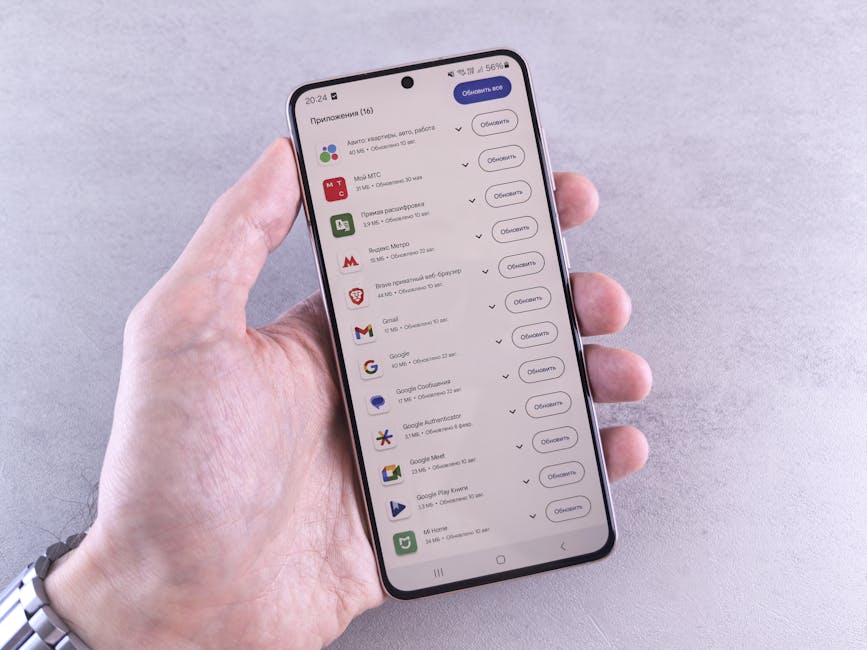
- Minimal Network Payloads: Compress data and only fetch incremental updates rather than full datasets to cut down bandwidth.
- Efficient Image and Asset Loading: Use adaptive image resolutions based on current network speed to balance quality and load times.
- Background Sync Scheduling: Spread out background data sync during times network conditions are optimal to conserve battery and reduce data stalls.
- Prioritize Critical Calls: Defer non-essential network requests until connection stabilizes.
This resource-conscious methodology also simplifies troubleshooting in environments with weak signals. Development teams use extensive real-device testing with Android device farms—covering diverse manufacturers, OS versions, and network conditions—to catch weak-connection edge cases before release.
Device Diversity and Real-Device Testing
Many apps falter by designing primarily for flagship phones or ideal network conditions. This alienates the majority of users in emerging markets where low-end devices and patchy networks rule.
Both GamingPlus App and BingoPlus App have set industry benchmarks by rigorously testing app performance on:
- Entry-level Android smartphones common in Malaysia, Indonesia, and the Philippines
- Variable network types, including 3G/4G cellular and public Wi-Fi with throttling
- Different Android OS versions, especially older still-supported ones
This dedication to device diversity ensures the apps don't just “work” but work well across real-world weak-connection scenarios. Manual and automated UI tests verify that retry mechanisms trigger appropriately, loading spinners provide meaningful feedback, and session states persist accurately despite intermittent connectivity.
First-Launch Clarity and Permission Timing
One less obvious but crucial factor is how apps handle first launch permission prompts and network access requests, especially in weak-connection contexts.
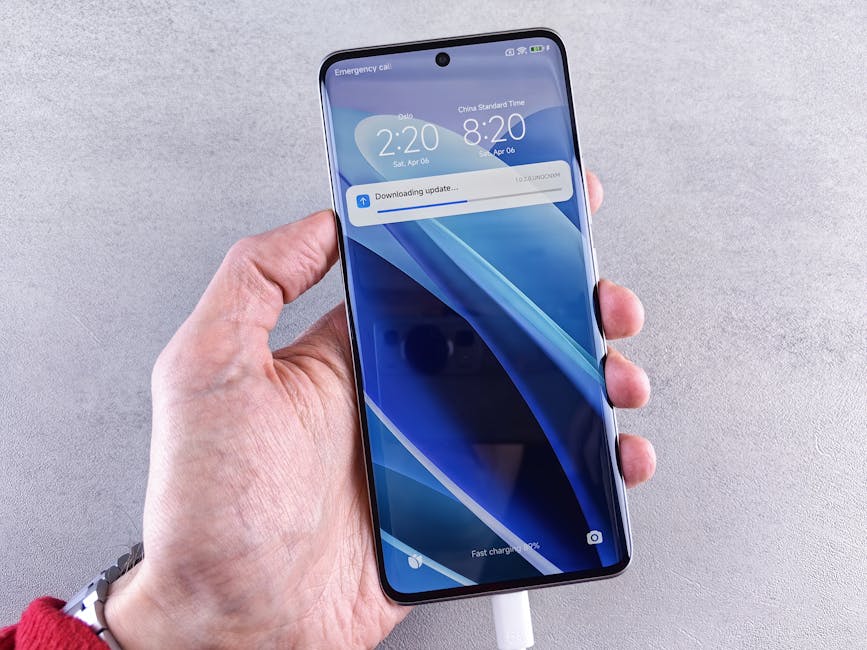
Years of support escalation have taught me that immediately bombarding users with confusing permission dialogs or network requests on first launch can cause abandonment. BingoPlus App users benefit from a gentle onboarding sequence that clearly explains:
- Why permissions like network access and storage are needed
- What the user should expect to happen during initial sync
- A real-time progress indicator to defang worries about long waits
This first-launch clarity paired with timing the permission prompts just before critical network-dependent operations minimizes user confusion and supports smoother initial experiences. It especially matters on weak networks where operations may pause or retry several times.
Common Mistake: Omitting Pricing, Fees, or Currency Information
While implementing robust handling of weak network conditions, some apps scrimp on transparency in pricing or fees, especially when scraping third-party content or loading dynamic offers. A glaring issue often spotted is missing currency amounts or fee details during network-dependent content loading, especially under weak connectivity.
For example, if Boring Magazine loads subscription plans dynamically but doesn’t clearly display pricing during partial loads or failures, users are left confused and mistrustful. Similarly, GamingPlus App must never show incomplete or ambiguous in-app purchase details during weak-connection retries.
Always ensure that any financial information is fully cached or gracefully degraded with clear placeholders or error explanations rather than being hidden or omitted.
Putting It All Together: Best Practices Checklist
Aspect Best Practice Why It Matters Weak-Connection Explanation Show user-friendly messages explaining connection issues Avoids frustration from cryptic or blank screens Retry with Backoff Implement exponential backoff for retries Prevents network congestion and battery drain Preserve Session Save user progress & sync once stable Ensures data integrity despite interruptions Lightweight Architecture Optimize payload size & asset loading Improves performance on low-end devices & networks Device Diversity Testing Test on varied Android devices & network types Catches real-world edge cases early First-Launch Permission Timing Explain permission needs clearly and time prompts well Reduces user drop-off on initial launch Transparent Pricing Info Always display complete pricing, currency, and fees Builds trust and prevents user confusionConclusion
Weak network connectivity isn’t a rare exception anymore — it’s a constant reality for millions of mobile users across Southeast Asia and beyond. By focusing beyond simple uptime, embracing lightweight, resource-disciplined architectures, rigorously testing across real devices, and keeping users informed and respected during first launches and network hiccups, apps like BingoPlus App, GamingPlus App, and Boring Magazine demonstrate the path to resilience and trust.
Remember to always ask yourself when debugging or designing features: “What does the user see on screen right now?” If the answer is “a blank loading screen” or “a cryptic error message,” it’s time to boringmagazine.com rethink your approach. With careful handling of weak-connection explanation, retry with backoff strategies, and session preservation, your app can turn frustrating network moments into delightful, reliable experiences—even when the signal’s not at full strength.